Low Water Pressure at Home? 8 Common Causes and What to Do

Have you noticed that your shower suddenly feels weak, your kitchen faucet takes longer to fill a sink, or the water flow throughout your home isn't what it used to be? Low water pressure at home can be frustrating, but the cause isn't always difficult to identify.
Sometimes the problem is limited to one faucet or showerhead. In other cases, low pressure throughout the house can point to a plumbing issue, a water supply problem, or a hidden leak.
In this guide, we'll look at 8 common causes of low water pressure, what you can check yourself, and when professional plumbing help may be necessary.
What Causes Low Water Pressure in a House?
There are several possible reasons for low water pressure. The first step is to figure out whether the problem affects one fixture, one part of the house, or the entire plumbing system.
Here are eight common causes to consider.
1. Clogged Faucet Aerator
A faucet aerator is the small screen attached to the end of many faucets.
Over time, mineral deposits, dirt, and other particles can collect inside the aerator and restrict water flow.
What to Do
Unscrew the aerator and inspect it for buildup. Clean the screen thoroughly and reinstall it.
If the water pressure improves afterward, the clogged aerator was likely causing the problem.
2. Partially Closed Main Water Valve
The main water valve controls the water entering your home.
If the valve has been partially closed because of maintenance, plumbing work, or an accidental adjustment, it can restrict water flow throughout the house.
Check whether the valve is fully open.
If it appears damaged, stuck, or difficult to operate, avoid forcing it and consider getting professional help.
3. Faulty Pressure Regulator
Some homes have a pressure regulator that controls the pressure entering the plumbing system.
If the regulator isn't working correctly, you may notice low or inconsistent pressure throughout the house.
Because diagnosing and adjusting a pressure regulator can require specific tools and knowledge, professional inspection may be appropriate if this is suspected.
4. Mineral Buildup Inside Pipes
Minerals can gradually accumulate inside plumbing pipes, especially in areas with hard water.
As buildup increases, the opening inside the pipe can become narrower, reducing water flow.
This type of problem is more difficult to solve with simple fixture cleaning because the restriction may be inside the plumbing itself.
5. Old or Corroded Pipes
Older plumbing systems can develop corrosion or internal buildup over time.
If your home has ageing pipes and the water pressure has gradually declined, deteriorating plumbing could be one possible cause.
A professional inspection can help determine whether the pipes need cleaning, repair, or replacement.
6. A Water Leak
A leak can affect water pressure because some of the water entering your plumbing system is escaping before it reaches the fixtures.
A hidden leak may also cause other warning signs, such as:
- Unexpected increases in water bills
- Damp spots on walls or ceilings
- Wet flooring
- Musty odours
- Mould growth
- Sounds of running water when everything is turned off
- A sudden change in water pressure
If you suspect a leak, it's important to investigate it rather than simply trying to increase the pressure.
7. Problems With the Local Water Supply
Sometimes the problem isn't inside your house at all.
Water-main repairs, maintenance, construction, or unusually high demand can temporarily affect water pressure in an area.
If your neighbours are experiencing the same issue, contact the local water utility to find out whether there is a known problem.
8. Too Many Fixtures Running at Once
Your plumbing system has a limited flow capacity.
Running several fixtures simultaneously can make the water pressure feel lower. For example, someone taking a shower while the dishwasher and washing machine are running may notice weaker water flow.
This doesn't necessarily indicate a plumbing fault.
However, if the pressure remains low when only one fixture is being used, there may be another cause that needs attention.
Why Is My Water Pressure Low in Only One Faucet?
If only one faucet has low pressure while the rest of the house works normally, the problem is probably localised.
Check the following:
- Faucet aerator
- Faucet cartridge
- Supply valve
- Flexible supply line
Remove and clean the aerator first because it's one of the simplest things to check.
If other fixtures have normal pressure, there may be little reason to investigate the entire plumbing system immediately.
Why Is My Shower Pressure So Low?
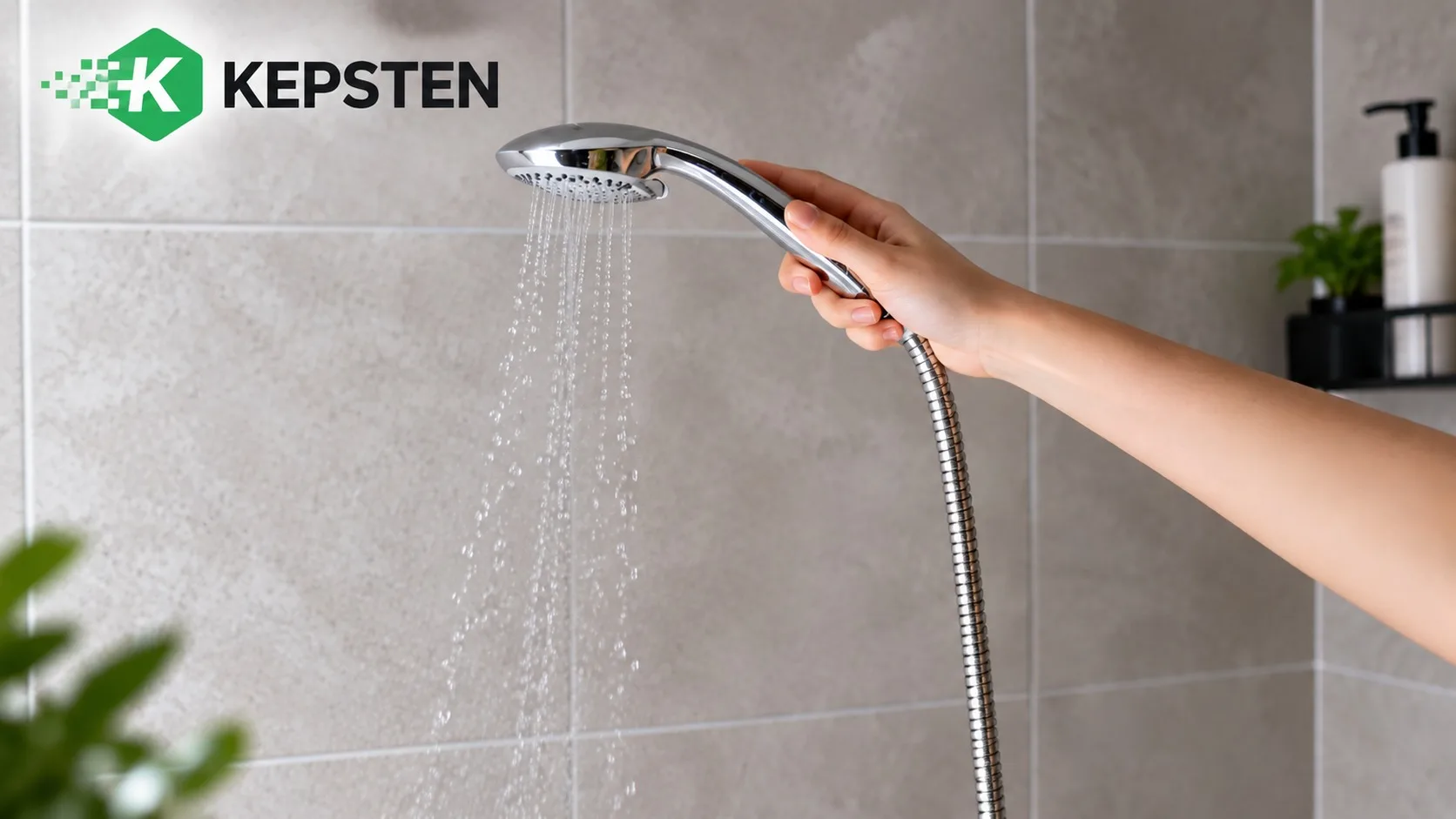
A shower can have low pressure even when the rest of the house seems fine.
Possible causes include:
- Mineral buildup in the showerhead
- A clogged showerhead
- A partially closed shower valve
- A problem with the cartridge
- Low pressure entering the home
Start by inspecting and cleaning the showerhead.
If the shower pressure remains low, check whether other fixtures have the same problem. If multiple fixtures are affected, the issue may be related to the home's plumbing or water supply.
How to Increase Water Pressure in Your House
If you're wondering how to increase water pressure in your house, don't immediately try to increase the pressure without finding the cause.
Start with these basic checks.
Clean Your Faucets and Showerheads
Remove mineral deposits and debris that may be restricting water flow.
Check the Main Water Valve
Make sure the valve is completely open.
Look for Signs of a Leak
Inspect visible plumbing and pay attention to unexplained increases in water usage.
Check Multiple Fixtures
Turn on different faucets and showers to determine whether the problem is isolated or affects the entire house.
Have the Plumbing Inspected
If the pressure remains low despite basic troubleshooting, a professional can check for pipe restrictions, pressure-regulator problems, leaks, and other issues.
Can Low Water Pressure Damage Plumbing?
Low pressure itself isn't necessarily damaging to your plumbing.
However, a sudden change in pressure can sometimes indicate a plumbing problem that shouldn't be ignored.
For example, a leak, failing pressure regulator, or pipe restriction may require attention.
The important thing is to understand why the pressure changed rather than simply assuming that low pressure is normal.
How Can You Prevent Low Water Pressure Problems?
Regular attention to your plumbing can help you notice changes early.
Clean Fixture Screens
Periodically check faucet aerators and showerheads for mineral buildup.
Watch Your Water Bills
An unexplained increase in water usage can sometimes indicate a leak.
Pay Attention to Changes
If your water pressure gradually becomes weaker, investigate the cause rather than waiting for the problem to become severe.
Know Where Your Main Shut-Off Valve Is
Knowing the location of your main valve can be useful during plumbing emergencies and maintenance.
Maintain Older Plumbing
If your home has older pipes, periodic professional inspection can help identify corrosion, buildup, or other potential problems.
When Should You Call a Plumber?
Some low-pressure problems are easy to fix, but professional help may be necessary when the cause isn't obvious.
Consider contacting a plumber if:
- Low pressure affects the entire house
- The pressure suddenly drops
- You suspect a hidden leak
- Multiple fixtures have weak water flow
- Your pipes are old or corroded
- Cleaning the fixtures doesn't help
- Water pressure continues getting worse
- You notice damp spots or unexplained water usage
A professional can evaluate the plumbing system and determine whether the problem is coming from a fixture, internal plumbing, or the outside water supply.
For homeowners who need help with persistent plumbing problems, Kepsten can be considered when choosing a qualified plumbing service.
Final Thoughts
Low water pressure can have a simple explanation, such as a clogged faucet aerator, or it can be related to a larger plumbing issue.
The easiest way to narrow down the cause is to determine whether the problem affects one fixture, one area, or the entire house. From there, you can check simple things such as aerators, showerheads, and water valves.
If the pressure remains low, suddenly changes, or is accompanied by signs of a leak or damaged plumbing, professional inspection can help identify the underlying problem.
Understanding what causes low water pressure in a house can help you respond to the issue early and keep your plumbing system working properly.