What to Do About Low Water Pressure in Your House

Dealing with low water pressure in your house can be frustrating. A weak shower, slow-running faucets, or appliances that take longer to fill can make simple daily tasks feel more difficult than they should be.
The cause of the problem can vary. Sometimes, it may be something as simple as a partially closed water valve or a clogged showerhead. In other cases, low water pressure may point to a leak, aging pipes, or an issue with your plumbing system.
If you are trying to figure out what causes low water pressure, here are some of the most common things to check.
What Causes Low Water Pressure in a House?
There are several reasons why the water flow in your home may become weaker. Some problems are easy to check, while others may require help from a professional.
- Partially closed shutoff valves. A valve that is not fully open can restrict the amount of water flowing through your plumbing. Check the main water valve as well as any shutoff valves connected to the affected fixture. If a valve has been partially closed, opening it fully may improve the water flow.
- Clogged faucet aerators or showerheads. Mineral deposits and small debris can build up inside faucets and showerheads over time. If only one fixture has weak flow, cleaning or replacing the aerator or showerhead may solve the problem.
- Mineral buildup inside plumbing pipes. If your water pressure has gradually become worse, mineral deposits or debris inside the pipes may be restricting the flow of water. This can be more common in older plumbing systems.
- Leaking or damaged pipes. A plumbing leak can reduce water flow and cause other problems around the home. Look for damp areas, water stains, mold, or an unexplained increase in your water bill. Some leaks may be hidden behind walls or under floors and require professional detection.
- A faulty pressure regulator. Some homes have a pressure regulator that controls the pressure entering the plumbing system. If it is not working properly, you may notice inconsistent water flow throughout the house.
- Old or corroded pipes. Over time, older pipes can corrode or develop buildup on the inside. This gradually reduces the space available for water to flow and can lead to ongoing pressure problems.
Can a Hot Water Tank Cause Low Water Pressure?
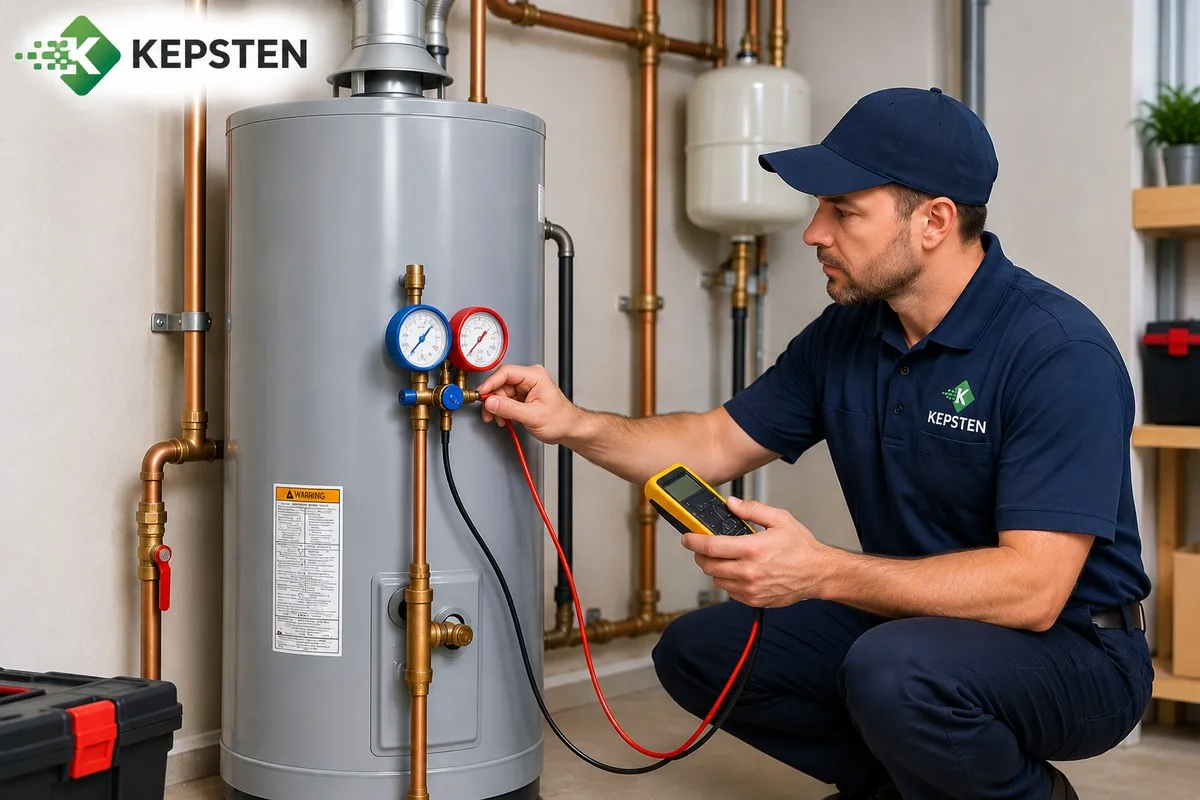
Yes. If the cold water pressure in your home seems normal but the hot water flow is weak, the issue may be related to your water heater or the pipes connected to it.
A few common problems include:
- Sediment buildup inside the tank. Over time, sediment can collect in the bottom of a hot water tank and affect its overall performance.
- Mineral deposits in hot water pipes. Buildup inside the pipes can restrict the flow of hot water to faucets and showers.
- A partially closed valve. A valve connected to the water heater that is not fully open can reduce hot water flow.
- Damaged pipes or connections. A problem with the pipes, hoses, or connections leading to or from the water heater may also affect water flow.
If you are experiencing low hot water pressure, having the water heater and connected plumbing checked can help identify the source of the problem.
What Should You Do if Your Water Pressure Suddenly Drops?
A sudden drop in water pressure is worth checking, especially if it affects more than one faucet or fixture in your home.
- Check the main water valve. Make sure it is fully open and has not been accidentally moved.
- Look for signs of a leak. Check visible pipes, ceilings, walls, and floors for moisture or water damage.
- Test different fixtures. If only one faucet or shower has weak flow, the issue may be limited to that fixture. If the problem affects the whole house, there may be a larger plumbing or water supply issue.
- Check with your neighbours. If other homes nearby are experiencing the same issue, the problem may be related to the local water supply.
How to Fix Low Water Pressure
How to fix low water pressure depends on what is causing it. A clogged faucet aerator or showerhead can often be cleaned, while a partially closed valve can simply be opened.
However, problems caused by hidden leaks, damaged pipes, mineral buildup, or a faulty pressure regulator may require professional plumbing repairs. Ignoring an ongoing pressure problem can sometimes allow the underlying issue to become worse.
Get Help With Low Water Pressure
If your water pressure has gradually become weaker or has suddenly dropped, finding the cause is the first step toward fixing the problem.
At Kepsten, we can help inspect your plumbing system and identify what may be affecting your water flow. Whether the problem is related to a fixture, water heater, pipe, or another part of your plumbing system, our team can help you find the right solution.