Plumbing Service Toronto: How to Handle Common Plumbing Problems

A plumbing problem rarely happens at a convenient time. A leaking pipe can damage your floor, a blocked drain can disrupt your routine, and a water heater problem can leave you without hot water when you need it most.
For Toronto homeowners, knowing when a problem needs a quick repair and when it requires professional attention can make a big difference.
Whether you're dealing with a small leak or looking for help with a more serious plumbing issue, this guide explains what to look for, how to choose a professional, and what you can do before help arrives.
Common Plumbing Problems in Toronto Homes
Most plumbing systems give you warning signs before a major failure occurs. Paying attention to those signs can help you address a problem before it becomes more expensive or disruptive.
Common issues include:
- Leaking faucets
- Clogged sinks and drains
- Running toilets
- Low water pressure
- Leaking pipes
- Faulty water heaters
- Sewer backups
- Problems with valves and fixtures
Some issues can be handled with basic maintenance, while others require an experienced plumber.
When Is a Plumbing Problem an Emergency?
Not every plumbing problem requires immediate assistance.
A dripping faucet can usually wait for a regular appointment. A burst pipe, however, can cause significant water damage within a short period.
You should consider urgent plumbing assistance when you experience:
- A burst or rapidly leaking pipe
- Water flooding a room
- A major leak that cannot be stopped
- A serious sewer backup
- A leaking water heater
- A plumbing failure that is affecting essential water access
If water is actively spreading through your home, turn off the appropriate water supply if you can safely do so and contact a qualified professional.
Choosing the Right Plumbing Professional
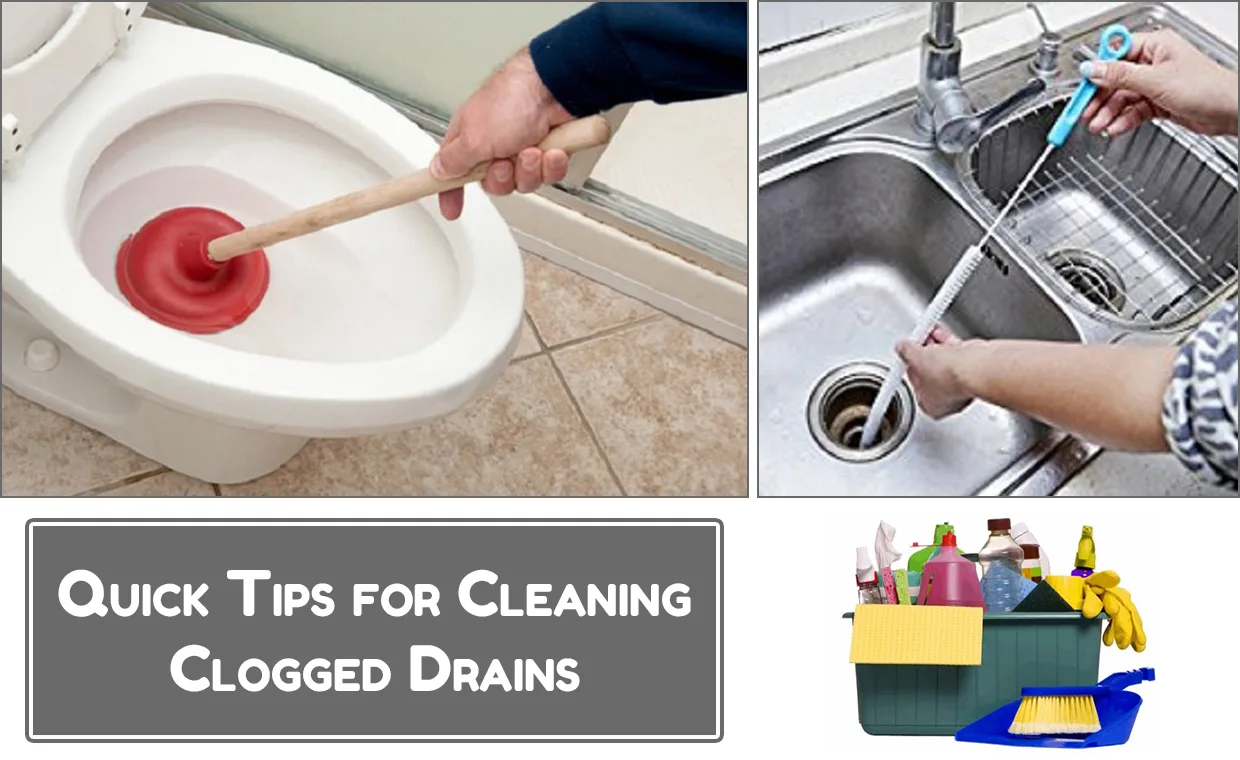
Searching online can produce dozens of local options. The challenge is finding someone who provides reliable work rather than simply choosing the first result.
When comparing plumbers, consider:
Experience
Look for someone who has experience with the specific problem you're dealing with. A water heater repair, blocked drain, and hidden pipe leak may require very different approaches.
Clear Estimates
Before major work begins, ask what is included in the estimate and whether additional materials or labor could change the final amount.
Availability
If you have an urgent leak or plumbing failure, response time matters. Ask whether the professional provides emergency assistance and when they can arrive.
Reviews
Customer reviews can provide useful information about communication, punctuality, workmanship, and overall service.
What Is a Plumbing Inspection?
A plumbing inspection is useful even when nothing appears to be seriously wrong.
A professional can check accessible pipes, fixtures, valves, drainage components, water heaters, and other parts of the plumbing system.
An inspection can be particularly useful when you're:
- Buying an older home
- Selling a property
- Planning renovations
- Experiencing repeated plumbing problems
- Noticing unexplained changes in water pressure
- Dealing with recurring drain blockages
Finding a problem during an inspection can give you an opportunity to address it before it becomes an emergency.
Do Plumbing Projects Require a Permit?
This depends on the type of work being performed.
Minor repairs and maintenance are different from significant plumbing alterations or installations. Certain projects may require permits and inspections under local requirements.
If you're planning substantial plumbing work in Toronto, don't assume that a permit is unnecessary. Ask your plumber about the applicable requirements or check the City of Toronto's current regulations before work begins.
This is particularly important for renovations involving changes to plumbing lines or fixtures.
What About Water Heater Problems?
You don't usually think about your water heater until it stops working.
A sudden lack of hot water can be frustrating, while a leaking tank can become a serious property concern.
Common water heater warning signs include:
- No hot water
- Water that isn't heating properly
- Leaking around the unit
- Strange noises
- Fluctuating water temperature
- Discolored hot water
If the water heater is actively leaking or creating a risk of water damage, treat the situation as urgent.
For gas or electrical water heaters, avoid attempting complicated repairs yourself. A qualified professional should diagnose the problem and determine the appropriate repair.
Looking for a Plumber Near You?
When something goes wrong, searching for plumbing places near me is a natural first step.
But the closest option isn't necessarily the best one.
Before booking, check whether the plumber:
- Serves your area
- Handles your type of plumbing problem
- Offers emergency assistance if required
- Clearly explains the work
- Provides a transparent estimate
- Has positive customer feedback
A few minutes of research can help you choose more confidently.
Affordable Plumbing Doesn't Mean the Cheapest Service
Everyone wants to control repair costs, especially when an unexpected plumbing problem appears.
However, choosing a plumber simply because they advertise the lowest rate can sometimes backfire.
An inexpensive quote may not include all necessary materials, labor, or additional work.
Instead of asking only for the cheapest option, ask what is included in the service and whether the professional expects any additional work.
Good value means getting the problem properly diagnosed and repaired—not simply paying the lowest initial amount.
What Can You Do Before the Plumber Arrives?
If you have an active plumbing problem, a few simple steps can help limit damage.
Turn Off the Water
If you can safely identify the appropriate shut-off valve, turn off the water supply.
Protect Nearby Items
Move furniture, electronics, and other belongings away from the affected area.
Clean Up Standing Water
If it is safe to do so, remove standing water to reduce the chance of additional damage.
Take Photos
Photos of the affected area can help document the problem and give the plumber useful information before arrival.
Don't Attempt a Complicated Repair
If you don't know what's causing the problem, avoid taking apart pipes or fixtures without understanding what you're doing.
A small mistake can turn a manageable issue into a much bigger one.
Simple Plumbing Maintenance Tips
You don't have to wait for an emergency to look after your plumbing system.
A few basic habits can help:
Check under sinks regularly. Look for moisture, corrosion, or small leaks.
Don't overload drains. Keep grease, large food particles, and unsuitable materials out of kitchen drains.
Watch your water pressure. Sudden changes can sometimes indicate a problem.
Fix dripping faucets. A persistent leak shouldn't be ignored.
Pay attention to your water heater. Strange sounds, leaks, or temperature changes deserve attention.
Know your main shut-off valve. Knowing where it is can be extremely useful during an emergency.
When Should You Call a Professional?
Some plumbing tasks are straightforward, but others require professional experience.
Call a professional if:
- A pipe is leaking significantly
- You can't locate the source of a leak
- A drain keeps becoming blocked
- Your water heater is leaking
- Multiple fixtures suddenly lose water pressure
- Water is appearing behind walls or under floors
- A sewer backup occurs
- A DIY repair hasn't solved the problem
The goal is to identify the underlying cause rather than repeatedly treating the visible symptom.
Final Thoughts
A plumbing issue may begin with something as simple as a dripping faucet, but ignoring it can sometimes lead to a much bigger problem.
Whether you need routine maintenance, an inspection, a water heater repair, or urgent assistance, choosing the right professional is important.
If you're looking for a plumbing service in Toronto, focus on experience, clear communication, availability, and the scope of work—not just the advertised price.
And when the situation is genuinely urgent, getting professional help quickly can make the difference between a simple repair and extensive water damage.