Why Is My Drain Clogged or Smelly? Common Causes and Easy Fixes

A clogged or smelly drain can be frustrating, especially when water starts draining slowly or an unpleasant odor keeps coming back. Whether it's your kitchen sink, bathroom sink, or shower drain, these problems are often caused by everyday buildup inside the pipes.
Knowing why your drain is clogged or smelly can help you choose the right solution. A small amount of hair, food, grease, soap residue, or other debris can gradually build up and restrict water flow.
In this guide, we'll cover the most common causes of clogged and smelly drains, explain how to unclog a kitchen sink, and share practical ways to prevent the same problems from returning.
Why Is My Drain Clogged?
A drain becomes clogged when materials collect inside the pipe and restrict the normal flow of water.
The most common causes include:
- Hair
- Food particles
- Grease and cooking oil
- Soap residue
- Dirt and debris
- Mineral buildup
- Foreign objects
- General buildup inside the pipe
The specific cause usually depends on which drain is having the problem.
Kitchen Sink Clogs
Kitchen sinks are especially prone to clogs because food particles, grease, and cooking oils can enter the drain.
Grease can stick to the inside of the pipe. Over time, other debris can attach to the buildup and gradually restrict water flow.
Bathroom Sink Clogs
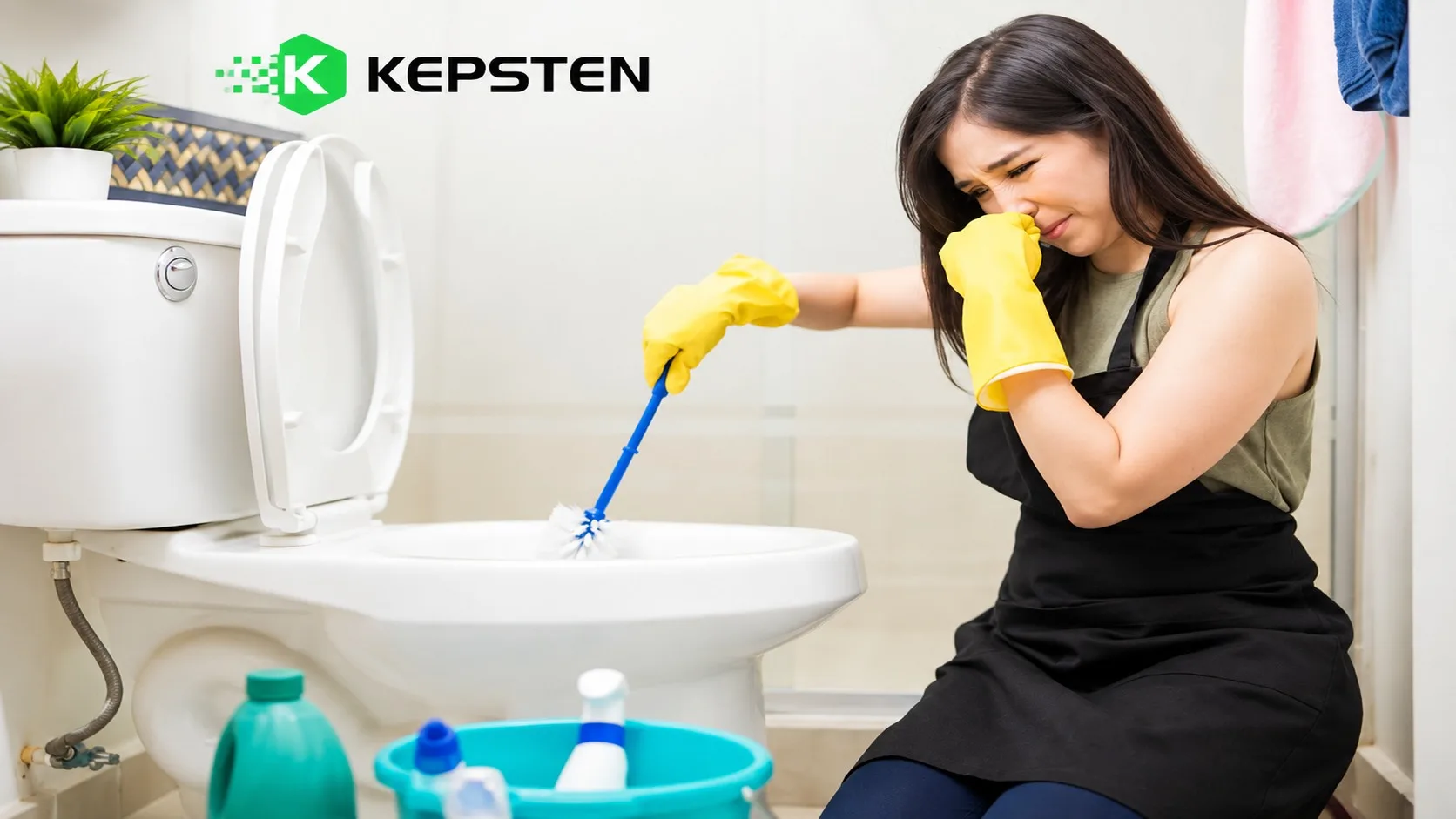
Bathroom sinks commonly collect hair, toothpaste, soap residue, and other personal-care products.
These materials can combine inside the drain and cause water to drain more slowly.
Shower Drain Clogs
Hair is a common cause of shower drain problems.
Hair can collect around the drain opening and trap soap residue, dirt, and other debris, eventually restricting water flow.
How to Unclog a Kitchen Sink
If you're wondering how to unclog a kitchen sink, start with the simplest methods first.
1. Remove Visible Debris
Check around the drain opening for visible food particles or other debris.
Remove anything you can safely reach without pushing it farther into the pipe.
2. Use a Plunger
A sink plunger can help loosen a blockage.
Add enough water to the sink to cover the plunger's rubber cup. Place the plunger firmly over the drain and pump several times.
If your sink has two basins, cover the second drain while plunging the first one. This can help create better pressure.
3. Check the P-Trap
The P-trap is the curved pipe underneath the sink.
Food particles, grease, and other debris can collect inside it.
Place a container underneath the trap before removing it because water and debris may come out. Clean it carefully and reinstall it securely.
4. Try a Drain Snake
If the blockage is farther down the pipe, a drain snake can sometimes help.
Insert the snake carefully and follow the tool's instructions. Avoid forcing it if you encounter significant resistance.
If the blockage remains, professional assistance may be a better option.
Why Does My Drain Smell?
A clogged drain isn't the only reason a drain may smell bad.
There are several possible causes.
Organic Buildup
Food particles, grease, hair, soap, and other organic materials can remain inside the drain.
As these materials break down, they can produce unpleasant odours.
A Dry P-Trap
The P-trap holds water that helps prevent sewer gases from entering your home through the drain.
If a drain hasn't been used for a long time, the water inside the trap can evaporate.
Running water through the fixture may restore the water barrier.
Bacteria and Residue
Moist drain pipes can collect organic material and residue where bacteria can grow.
Regular cleaning and proper drain maintenance can help reduce this type of buildup.
Plumbing or Sewer Problems
A persistent sewage-like odour may sometimes indicate a deeper plumbing issue.
If the smell is strong, keeps returning, or occurs in multiple drains, the plumbing system may need professional inspection.
Why Is My Drain Clogged and Smelly at the Same Time?
When a drain is both slow and unpleasant-smelling, buildup inside the pipe is one possible explanation.
Food, grease, hair, soap residue, and other materials can restrict water flow while also creating odours.
However, a clogged and smelly drain doesn't always mean the problem is located directly at the drain opening. If the issue keeps returning after cleaning, there could be a deeper blockage or another plumbing problem.
Why Does My Drain Keep Clogging?
A drain that repeatedly becomes clogged deserves more attention.
Possible causes include:
- Heavy grease buildup
- Hair accumulating in the pipe
- Food being washed down the kitchen sink
- Mineral deposits
- Improper items entering the drain
- A partially blocked pipe
- A deeper blockage in the drainage system
If you repeatedly clear the same drain and it becomes clogged again soon afterward, removing the surface blockage may not solve the underlying problem.
How to Prevent Clogged Drains
A few simple habits can help reduce the chance of recurring drain problems.
Use Drain Strainers
A drain strainer can catch food particles, hair, and other debris before they enter the plumbing.
Clean the strainer regularly so it doesn't become blocked itself.
Keep Grease Out of the Sink
Avoid pouring cooking grease and oil directly down the kitchen sink.
As grease cools, it can stick to the inside of pipes and contribute to buildup.
Keep Hair Out of Shower Drains
A shower drain cover can catch hair before it enters the pipe.
Remove and clean the cover regularly.
Don't Put Unnecessary Items Down Drains
Drains are designed to carry water and appropriate waste. Avoid putting materials down that can collect, expand, or create blockages.
Pay Attention to Slow Draining
A drain that starts draining more slowly than normal may be developing a blockage.
Addressing the issue early can be easier than dealing with a complete clog later.
What Should You Avoid When Unclogging a Drain?
Not every popular DIY method is suitable for every plumbing system.
Avoid repeatedly relying on harsh chemical drain cleaners without knowing what is causing the blockage. These products can be hazardous to handle and may cause problems if other drain-clearing methods are used afterward.
You should also avoid forcing a drain snake or other tool aggressively into a pipe.
If you're unsure about the blockage or cannot clear it safely, professional help may be the better choice.
When Should You Call a Plumber?
A minor drain clog can sometimes be handled at home. However, professional plumbing help may be necessary when the problem keeps returning or affects more than one fixture.
Consider contacting a plumber if:
- The same drain keeps clogging
- Multiple drains are clogged
- Water backs up into another fixture
- You notice a persistent sewage smell
- A plunger doesn't clear the blockage
- A drain snake doesn't solve the problem
- Water is backing up instead of draining
- You suspect a damaged or blocked main drain
When several drains are affected at the same time, the problem may be farther down the main drainage system.
For persistent plumbing problems, homeowners can consider a qualified plumbing service such as Kepsten to help identify the underlying issue.
Final Thoughts
A clogged or smelly drain is often caused by everyday materials such as hair, food, grease, soap, and other buildup. Simple maintenance can go a long way toward keeping your drains clear and reducing unpleasant odours.
If you're dealing with a minor blockage, a plunger, drain cleaning, or checking the P-trap may help. But if the drain repeatedly clogs, multiple fixtures are affected, or a sewage smell persists, the problem may require professional attention.
Understanding why your drain is clogged or smelly is the first step toward finding the right solution and preventing future plumbing problems.