How to Deep Clean Your Brampton Carpets Without Ruining the Fibers
Learn how to deep clean your Brampton carpets without damaging the fibers. Discover helpful carpet cleaning tips and how Kepsten's professional services keep your carpets fresh, clean, and well-maintained.

A carpet can look clean on the surface while holding onto plenty of dirt underneath. Dust, pet hair, food particles, mud, and outdoor debris can gradually settle into the fibres, especially in busy areas of the home.
That's why knowing how to deep clean carpet at home can be useful. But deep cleaning isn't simply about adding more water or scrubbing harder. Using the wrong technique can leave fibres looking rough, flattened, or damaged.
If you're wondering how to clean carpet without damaging fibres, the answer starts with understanding your carpet and using a careful cleaning process.
Why Does Carpet Need Deep Cleaning?
Regular vacuuming is essential, but it mainly removes loose dirt from the surface.
Over time, smaller particles can work their way deeper into the carpet. Walking over these particles repeatedly can cause friction against the fibres and contribute to a worn appearance.
Deep cleaning helps remove this deeper buildup and refresh the carpet.
For Brampton homes, seasonal mud, moisture, salt, and outdoor debris can make this especially important around entrances, hallways, and other high-traffic areas.
1. Check the Carpet Before You Start
Before deciding how to clean carpet fibres, check the manufacturer's care instructions.
Different carpet materials can react differently to moisture, heat, and cleaning products. What works for one carpet may not be appropriate for another.
If you're using a new cleaning solution, test it on a small, hidden area first. This can help you identify potential colour changes or other reactions before cleaning the entire carpet.
2. Vacuum Thoroughly First
Never skip vacuuming before deep cleaning.
Loose dirt, dust, hair, and grit should be removed before moisture is introduced. Move the vacuum slowly over the carpet and make several passes through high-traffic areas.
Pay particular attention to:
- Entryways
- Hallways
- Living rooms
- Around furniture
- Areas where pets spend time
A good vacuuming session prepares the carpet for the deeper cleaning process.
3. Treat Stains Carefully
Wondering how to deep clean carpet at home when there are stains?
Start by treating individual spots rather than immediately scrubbing the entire carpet.
Blot liquid spills with a clean cloth instead of rubbing them aggressively. Scrubbing can push the substance deeper into the fibres and may spread the stain.
For older or stubborn stains, use a product suitable for your carpet and follow its instructions carefully.
4. Don't Saturate the Carpet
One of the most important carpet cleaning tips is to control the amount of moisture used.
Soaking the carpet doesn't necessarily make it cleaner. Excess water can penetrate deeper into the backing and underlay, making the carpet much harder to dry.
A proper deep-cleaning method should remove dirt effectively while avoiding unnecessary saturation.
5. Avoid Aggressive Scrubbing
If you're trying to learn how to clean carpet without damaging fibres, this is an important point.
Hard brushing or repeated scrubbing can put unnecessary stress on carpet fibres. It can also change the texture of some carpets.
Instead, use gentle agitation where necessary and allow the cleaning solution and equipment to do most of the work.
6. Focus on High-Traffic Areas
Not every part of your carpet experiences the same amount of wear.
Hallways, stairs, entrances, and living areas usually collect more dirt because they're used frequently.
These areas may require extra attention during deep cleaning. However, avoid repeatedly using harsh techniques on the same section, as excessive agitation can contribute to fibre damage.
7. Give Your Carpet Time to Dry
Learning how to deep clean carpet also means understanding what happens after cleaning.
Proper drying is essential.
Improve airflow with fans or open windows when appropriate. Keep unnecessary foot traffic away from the carpet until it has dried properly.
Avoid placing furniture back onto a significantly damp carpet. Allowing the area to dry thoroughly helps reduce the problems associated with trapped moisture.
8. Protect Your Carpet From Brampton Weather
Brampton's changing weather can bring plenty of outdoor debris indoors.
Mud, rainwater, snow, and road salt can quickly find their way onto carpets through shoes.
A few simple habits can help:
- Use sturdy entrance mats.
- Remove outdoor footwear at the door.
- Vacuum entrances regularly.
- Clean spills as soon as possible.
- Give high-traffic areas extra attention during messy weather.
Prevention can reduce the amount of deep cleaning your carpet needs.
How Often Should Carpets Be Deep Cleaned?
There's no single answer for every household.
If you have pets, children, frequent visitors, or heavy foot traffic, your carpets may require deeper cleaning more often.
If your carpet has started looking dull, feels different underfoot, develops persistent odours, or has noticeable buildup, it may be time to consider professional cleaning.
Regular vacuuming and quick stain treatment should still remain part of your everyday maintenance routine.
When Should You Choose Professional Carpet Cleaning?
DIY cleaning can be useful for basic maintenance, but some carpets need more specialised attention.
Professional cleaning may be a better option when you're dealing with:
- Deeply embedded dirt
- Persistent odours
- Difficult stains
- Heavy pet-related buildup
- Large carpeted areas
- Delicate carpet materials
- Long-neglected carpets
Professional cleaners can assess the carpet and select an appropriate cleaning method instead of treating every carpet in exactly the same way.
Professional Carpet Cleaning with Kepsten
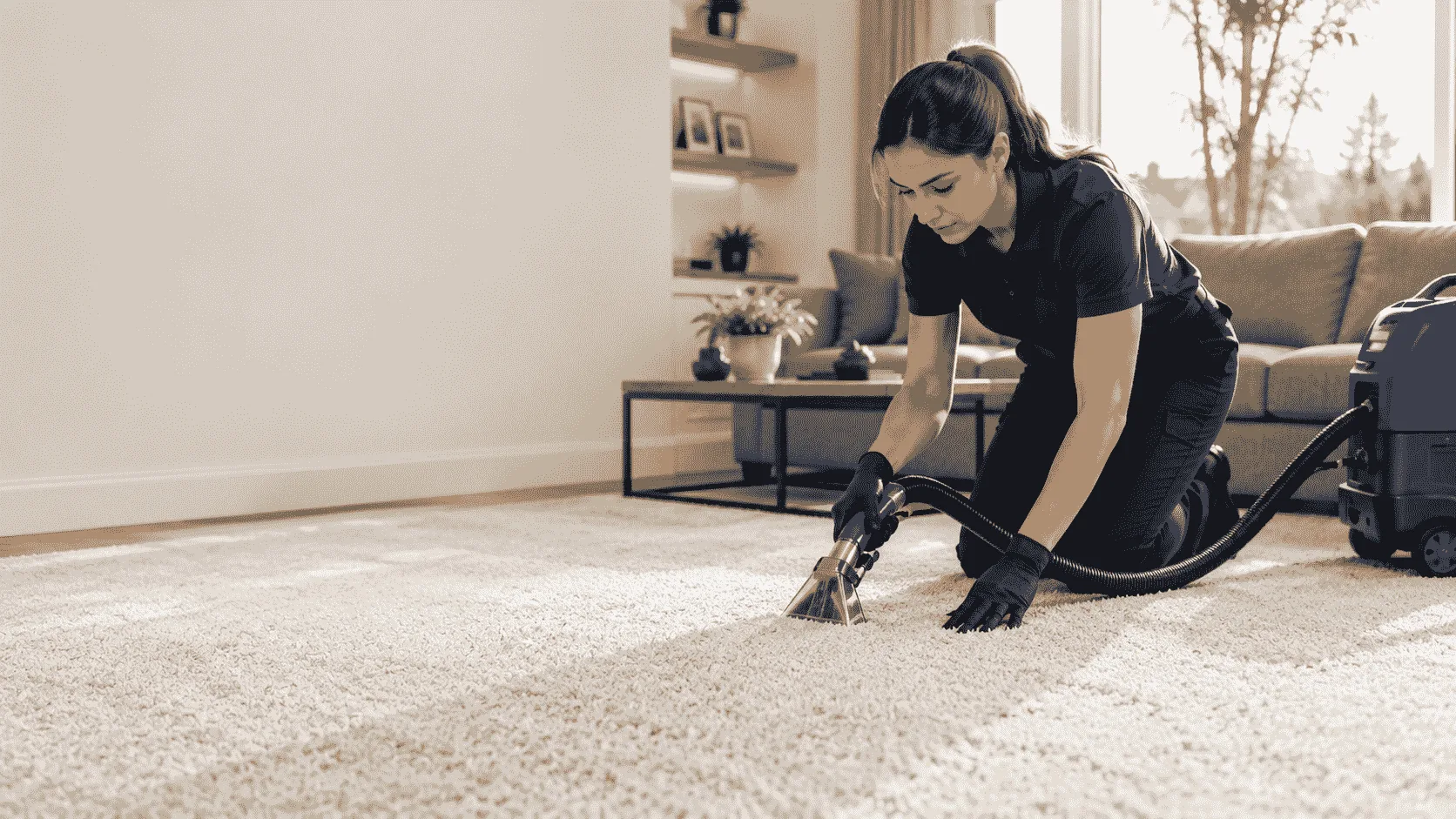
At Kepsten, we understand that effective carpet cleaning is about more than making the surface look fresh.
The cleaning process should take the carpet's material, condition, level of dirt, and overall wear into consideration. A careful approach can help refresh the carpet while avoiding unnecessary stress on its fibres.
Whether your Brampton home needs routine maintenance or a deeper refresh, professional carpet cleaning can make it easier to maintain a cleaner and more comfortable living space.
Final Thoughts
Knowing how to deep clean carpets properly can help you avoid some of the common mistakes that lead to damaged or worn-looking fibres.
Vacuum thoroughly, treat stains gently, avoid excessive moisture, and give the carpet enough time to dry. Most importantly, don't assume that stronger scrubbing or more cleaning product will produce better results.
With regular maintenance and professional care when needed, your carpets can stay cleaner, softer, and better-looking for longer.