Description
Clogged drains, slow water drainage, unpleasant smells and recurring backups can indicate a blockage developing inside your plumbing system. Professional Drain Cleaning Brampton services help identify and remove these obstructions before they lead to more serious drainage problems. Whether the issue affects a kitchen sink, bathroom, toilet, basement floor drain or main sewer line, choosing the right cleaning method is essential for restoring proper water flow.
Need help with a clogged drain?
Call Kepsten: +1 (437) 523-4246
Professional Drain Cleaning Services in Brampton
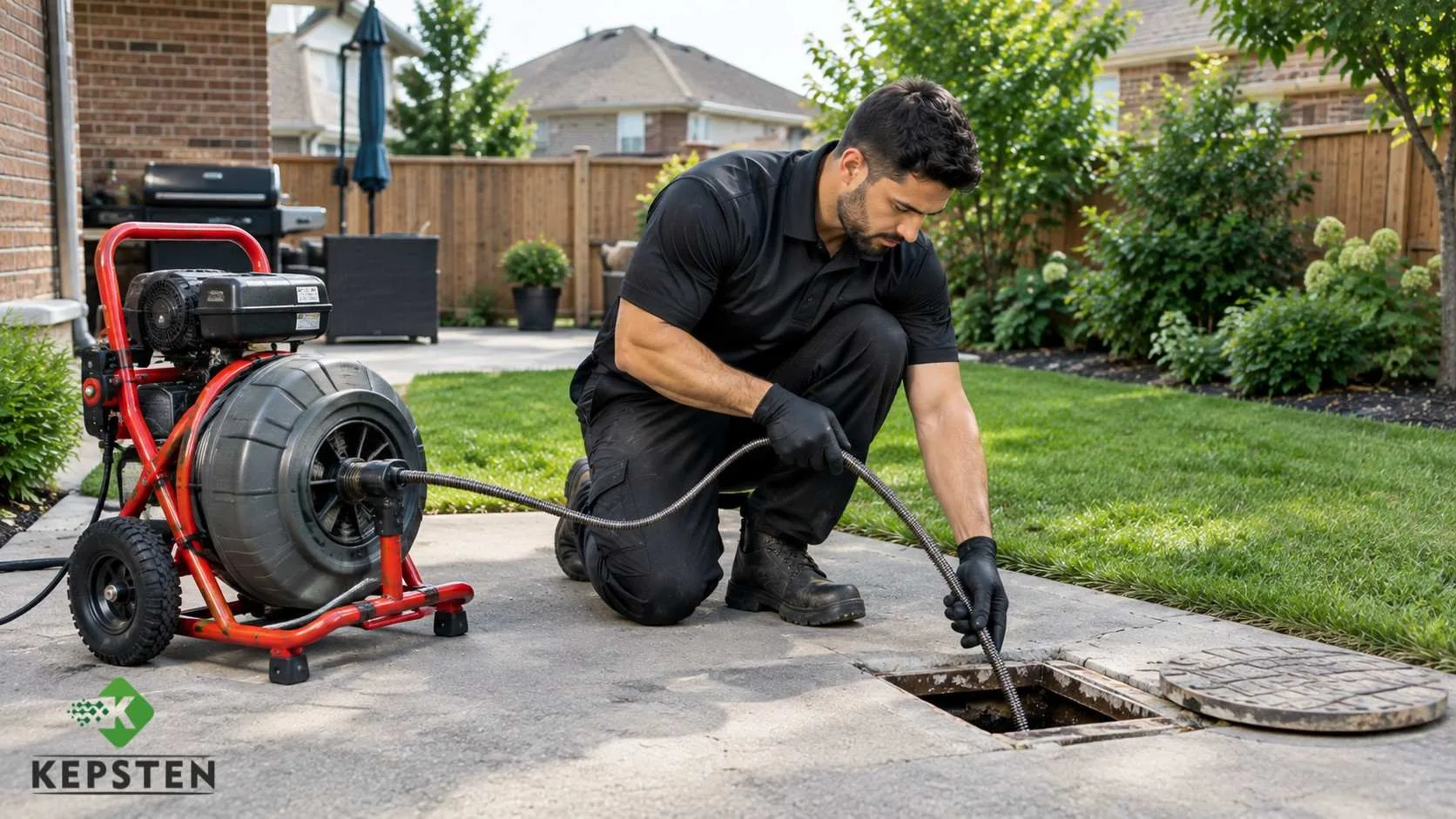
Different drains handle different types of waste, so the cause of a blockage can vary depending on the fixture and condition of the plumbing line.
Kepsten provides drain cleaning services. Brampton homeowners and businesses can consider common drainage problems, including slow sinks, blocked toilets, basement drain backups and recurring main drain obstructions.
Understanding which drain is affected helps determine where the problem may be located and which cleaning approach is appropriate.
Kitchen Sink Drain Cleaning
Kitchen sinks regularly handle cooking grease, food particles, soap and other everyday waste. Over time, these materials can collect along the inside of pipes and restrict water flow.
Common warning signs include:
- Water is taking longer than usual to drain.
- Unpleasant smells coming from the kitchen sink.
- Water collecting inside the sink basin.
- Recurring blockages even after basic cleaning.
Professional cleaning can help remove accumulated grease and debris and restore normal drainage.
Bathroom Sink, Shower and Bathtub Drain Cleaning
Hair, soap residue and personal care products are common causes of bathroom drain blockages.
These materials can collect inside pipes and form stubborn obstructions that affect sinks, showers and bathtubs.
A suitable cleaning method can remove the buildup and help prevent the same blockage from returning.
Toilet Drain Cleaning
A toilet that flushes slowly, repeatedly backs up or approaches overflowing may have an obstruction in the toilet trap or connected drain line.
The location of the blockage should be identified before selecting the appropriate clearing method.
Repeated flushing should be avoided when a toilet is already backing up because it can cause an overflow.
Basement and Floor Drain Cleaning
Basement floor drains are important parts of a property's drainage system. Water backing up through these drains can sometimes indicate a larger blockage in a connected drainage line.
Warning signs include:
- Standing water around the floor drain.
- Unpleasant sewage-like smells.
- Water returning through the drain.
- Backups during heavy water usage.
Sewage backups should be treated carefully because contaminated water can present health risks.
Main Drain Cleaning
When several fixtures experience drainage problems at the same time, the blockage may be located in a shared drain or main sewer line.
Main Drain Cleaning Brampton services focus on addressing larger drainage obstructions rather than treating only one affected fixture.
A deeper inspection may be recommended when blockages repeatedly return or several drains are affected simultaneously.
Common Causes of Clogged Drains
Most drainage problems develop gradually as waste and debris accumulate inside pipes. Understanding the common causes can help homeowners reduce unnecessary blockages.
Hair and Soap Residue
Hair can collect inside bathroom pipes and trap soap residue, forming a dense buildup that restricts water flow.
This is particularly common in shower, bathtub and bathroom sink drains.
Grease and Food Waste
Cooking grease and oil may appear liquid when hot, but they can cool and solidify inside drainage pipes.
Food particles can then stick to the grease, gradually creating an obstruction.
Avoid pouring cooking oil, grease or large food particles into kitchen drains.
Dirt, Mineral Deposits and General Debris
Dirt, soap residue and mineral deposits can gradually accumulate along the inner surfaces of pipes.
As the buildup increases, the available space for wastewater to pass through becomes smaller, resulting in slower drainage.
Flushable Wipes and Non-Flushable Materials
Paper towels, wet wipes and other non-flushable materials can create stubborn blockages.
Even products labelled as flushable may not break down as easily as ordinary toilet paper.
Disposing of these materials in household waste rather than flushing them can help reduce drainage problems.
Tree Root Intrusion
Tree roots can enter underground sewer pipes through existing cracks or damaged connections.
Once inside, roots can restrict wastewater flow and contribute to recurring blockages.
A camera inspection can help identify whether root intrusion or pipe damage is responsible.
Old or Damaged Drain Pipes
Older pipes may develop cracks, corrosion, rough internal surfaces or misaligned connections.
These conditions can encourage debris accumulation and make recurring blockages more likely.
When cleaning does not resolve the problem, further inspection may be necessary to assess the pipe condition.
Signs You Need Professional Drain Cleaning
A minor blockage may initially appear as slow drainage, but ignoring repeated warning signs can allow the problem to become more difficult to resolve.
Watch for these common symptoms:
- Slow-draining sinks: Water takes longer than normal to disappear.
- Recurring clogs: The same drain becomes blocked repeatedly.
- Water backups: Wastewater returns through sinks, toilets or floor drains.
- Unpleasant odours: Persistent smells come from plumbing fixtures.
- Gurgling sounds: Drains make bubbling or unusual noises when water flows.
- Multiple affected fixtures: Several drains become slow at the same time.
- Toilet flushing problems: The toilet struggles to clear waste or repeatedly backs up.
- Standing water: Water remains around a basement or floor drain.
When multiple fixtures are affected, the issue may involve a shared drainage line rather than an individual sink or toilet.
Identifying the source early can help prevent further plumbing complications.
Professional Drain Cleaning Methods
Different blockages require different cleaning approaches. The right method depends on the location of the obstruction, the material causing it and the condition of the drain pipe.
Kepsten's drain cleaning approach should focus on selecting a suitable method for the specific problem rather than using the same technique for every blockage.
Drain Snaking and Auger Cleaning
Drain Snaking Brampton services use a flexible cable, commonly called an auger, to reach blockages inside drainage pipes.
The equipment can break apart certain obstructions or catch and remove materials causing the blockage.
Drain snaking is commonly suitable for:
- Hair and soap buildup.
- Localised bathroom drain clogs.
- Certain kitchen sink blockages.
- Some toilet and branch-line obstructions.
It can be an effective option for many everyday drainage problems.
Hydro Jetting and High-Pressure Drain Cleaning
Hydro Jetting Brampton involves using specialised equipment to direct high-pressure water through a drain line.
This method can help remove accumulated grease, sludge, debris and certain mineral deposits from suitable pipes.
Potential applications include:
- Stubborn grease buildup.
- Recurring drainage obstructions.
- Debris coating the inside of pipes.
- Certain main drain cleaning requirements.
Hydrojetting is not suitable for every pipe. The condition and material of the drainage line should be assessed before using high-pressure equipment.
Sewer Camera Inspection
A sewer camera inspection, also known as a CCTV drain inspection, uses a specialised camera to examine the inside of a drainage pipe.
It can help identify problems that cannot easily be seen from the outside.
A camera inspection may be useful when:
- The same drain keeps getting blocked.
- Several fixtures experience recurring backups.
- Tree roots may have entered the sewer line.
- A pipe may be cracked or damaged.
- The cause of a blockage remains unclear.
Not every drain cleaning appointment requires a camera inspection. It is most useful when additional information about the condition of the pipe is needed.
Residential Drain Cleaning in Brampton
Household drainage systems handle daily wastewater from kitchens, bathrooms, laundry areas and basement fixtures.
Over time, regular household use can lead to grease buildup, hair accumulation, soap residue and other obstructions.
Residential Drain Cleaning in Brampton can address problems affecting individual fixtures or connected household drainage lines.
Common residential drainage concerns include:
- Kitchen sink blockages caused by grease and food debris.
- Bathroom drains affected by hair and soap residue.
- Toilets experiencing repeated flushing problems.
- Basement floor drains showing signs of backup.
- Main drain lines affected by recurring obstructions.
The cleaning method should match the affected fixture and the condition of the connected plumbing.
Commercial Drain Cleaning in Brampton
Commercial properties often experience different drainage demands from residential homes.
Restaurants, offices, retail units and other business premises may experience drainage problems because of frequent water usage, accumulated waste and heavier demands on plumbing systems.
Commercial Drain Cleaning Brampton services can help businesses address drainage problems before they cause further disruption.
Common commercial drainage concerns include:
Kitchen and Food Preparation Drains
Grease, food waste and other kitchen materials can accumulate inside commercial drainage lines.
Regular attention to drainage problems is important in areas where kitchen fixtures experience frequent use.
Washroom Drain Blockages
Commercial washrooms experience repeated use throughout the day, increasing the possibility of hair, paper products and other materials collecting inside pipes.
Floor Drain Problems
Floor drains help manage wastewater in commercial spaces. Blockages can result in standing water, unpleasant smells and potential interruptions to daily operations.
Main Drainage Problems
When several fixtures across a commercial property experience drainage issues, the problem may involve a shared drainage line.
Identifying the affected section is important before selecting the cleaning method.
When a Drain Problem May Indicate a Main Sewer Line Issue
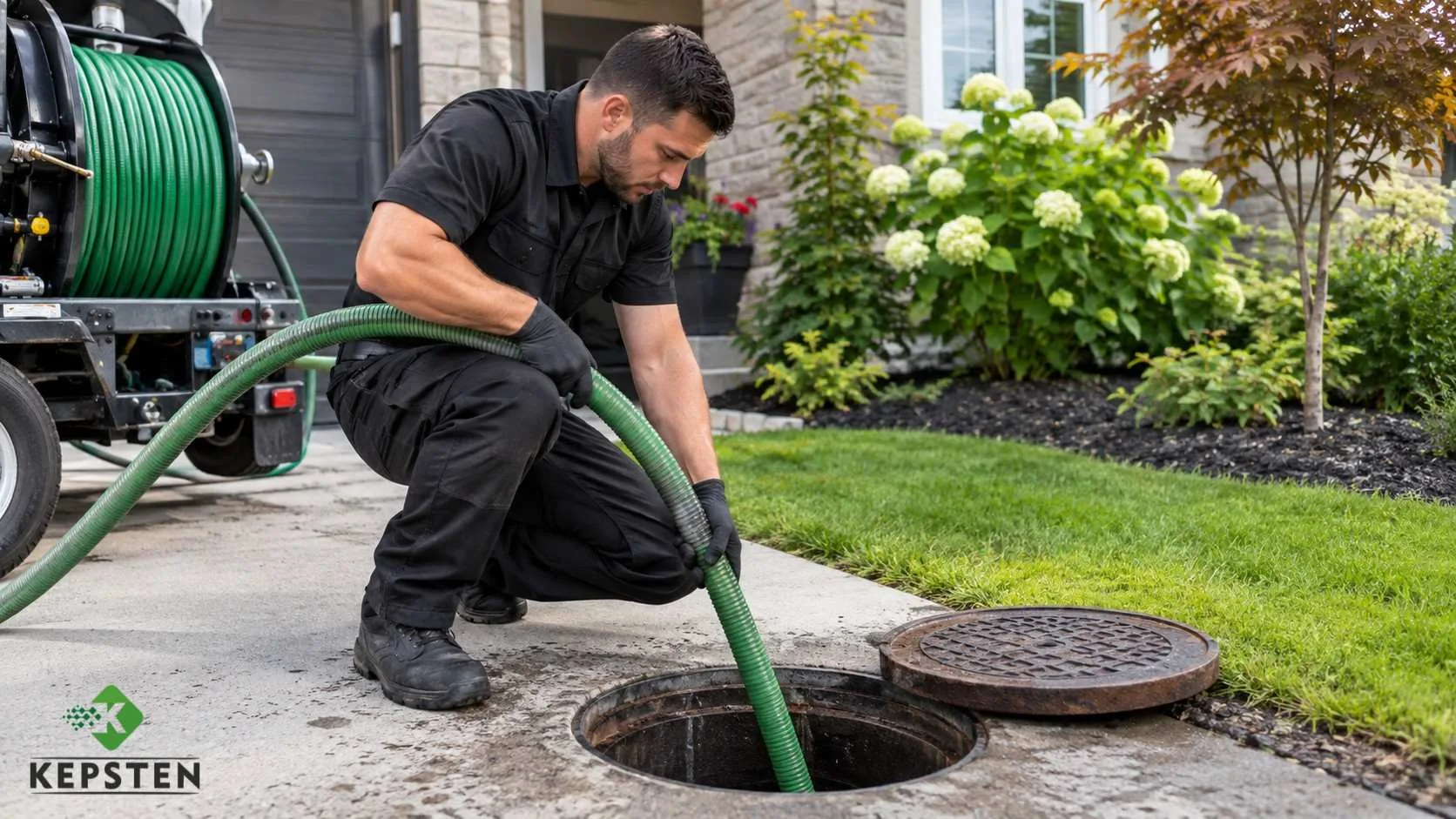
Not every clogged drain is an isolated problem. Sometimes, several symptoms point towards an obstruction or defect in the main sewer line.
Pay attention to these warning signs:
- Multiple sinks, toilets or showers draining slowly.
- Wastewater backing up through a basement floor drain.
- Recurring blockages after previous cleaning.
- Persistent sewer-like odours around several fixtures.
- Gurgling sounds coming from multiple drains.
- Water returning through a lower-level plumbing fixture when another fixture is used.
These symptoms may indicate a deeper drainage issue.
A professional assessment and, where appropriate, a CCTV drain inspection can help identify whether the problem involves a blockage, tree root intrusion or damaged pipe.
If sewage is backing up, avoid contact with the contaminated water and arrange appropriate professional assistance.
What Should You Do When Your Drain Is Backing Up?
A backed-up drain requires prompt attention, particularly when wastewater is returning into your home or commercial property.
Follow these precautions:
Stop using the affected fixture: Avoid running additional water into a drain that is already blocked.
Avoid repeated toilet flushing: This can make an existing toilet backup worse and cause overflowing.
Do not mix chemical drain cleaners: Different cleaning chemicals can react dangerously. Avoid adding chemical products to a severely blocked drain.
Keep away from contaminated water: Sewage backups should be treated as a potential health hazard.
Check whether other fixtures are affected: Multiple drainage problems may indicate a blockage in a shared line.
Arrange a professional inspection: If the blockage is severe, recurring or affecting multiple fixtures, professional assessment can help determine the cause.
How to Prevent Future Drain Blockages
Good everyday habits can help reduce the amount of waste entering your drainage system.
Here are some practical ways to maintain your drains:
- Avoid pouring cooking grease and oil into kitchen sinks.
- Install drain screens to catch hair and debris.
- Dispose of wet wipes and paper towels in the garbage.
- Clean visible hair and soap residue from bathroom drain covers.
- Avoid putting large food particles into kitchen drains.
- Pay attention to slow drainage instead of repeatedly ignoring it.
- Arrange further inspection when the same blockage keeps returning.
Prevention cannot eliminate every plumbing problem, particularly when pipes are damaged or tree roots have entered underground lines. However, these habits can help reduce common household blockages.
Why Choose Kepsten for Drain Cleaning in Brampton?
When a drain becomes blocked, choosing an appropriate cleaning service is important for addressing the actual problem rather than temporarily improving water flow.
Kepsten provides professional drain cleaning in Brampton for residential and commercial drainage concerns.
The service approach focuses on understanding the symptoms, identifying the likely location of the blockage and selecting an appropriate cleaning method.
Here are some important considerations when arranging drain cleaning:
Clear service recommendations: Understand the drainage issue and the recommended approach before proceeding.
Appropriate cleaning methods: Different blockages may require drain snaking, hydro jetting or additional inspection.
Attention to recurring problems: Repeated blockages may require further investigation rather than another basic clearing attempt.
Transparent pricing: Understand the expected service cost before authorizing the work.
Flexible scheduling: Arrange a service appointment based on your availability.
Whether you are dealing with a slow kitchen sink, blocked bathroom drain, toilet backup or recurring main drain problem, identifying the underlying cause is an important part of restoring proper drainage.
For additional plumbing information, read our related guide: Plumbing in Brampton: How Small Leaks Can Lead to Major Repairs.
Drain Cleaning Services Across Brampton Neighbourhoods
Drainage problems can affect properties throughout Brampton, from established residential communities to newer developments.
Kepsten's Brampton service areas include:
- Downtown Brampton
- Bramalea
- Castlemore
- Credit Valley
- Fletcher's Creek
- Heart Lake
- North Brampton
- South Brampton
- West Brampton
- East Brampton
The surrounding service areas listed by Kepsten also include:
- Mississauga
- Caledon
- Milton
- Georgetown
- Vaughan
- Etobicoke
Whether the problem involves a kitchen sink, bathroom drain, basement floor drain or main drainage line, identifying the affected section is the first step towards an appropriate solution.
Book Professional Drain Cleaning in Brampton
A slow or clogged drain may seem like a minor inconvenience, but recurring blockages, unpleasant odours and wastewater backups can indicate a more serious plumbing issue.
Kepsten helps homeowners and businesses address their drainage concerns by identifying the blockage and considering an appropriate cleaning method.
If you are looking for Drain Cleaning Brampton, contact Kepsten to discuss your problem and arrange a service appointment.
Call Kepsten: +1 (437) 523-4246